
How do we determine which kind of tile to use in each space?
The best type of tile for a specific surface depends on factors such as durability, water resistance, and aesthetic appeal. Here are some popular options:
Kitchens:
- Backsplash: Ceramic, porcelain, glass, or natural stone tiles like marble or granite are popular choices for backsplashes. They are easy to clean and can withstand heat and moisture.
- Flooring: Porcelain tile is a durable and stylish option for kitchen floors. It’s resistant to scratches, stains, and water damage. Natural stone tiles like granite or slate can also be used, but they may require more maintenance.
Bathrooms:
- Walls: Ceramic, porcelain, or glass tiles are suitable for bathroom walls. Natural stone tiles like marble or travertine can add a luxurious touch.
- Floors: Porcelain tile is a popular choice for bathroom floors due to its durability and water resistance. Natural stone tiles like slate or granite can also be used, but they may require more maintenance.
Showers:
- Walls and Floor: Porcelain tile is the best choice for shower walls and floors. It’s highly water-resistant and durable, making it ideal for wet environments. Natural stone tiles like marble or granite can also be used, but they may require more maintenance and sealing.
Outdoor Spaces:
- Patio and Pool Areas: Porcelain tile is a great option for outdoor spaces. It’s durable, weather-resistant, and can withstand harsh conditions. Natural stone tiles like slate or travertine can also be used, but they may require sealing to protect them from the elements.
When selecting tile for a specific surface, consider factors such as foot traffic, exposure to water, and desired aesthetic. Consulting with a professional tile installer can help you make the best choice for your project.
What are some popular tile layout patterns?
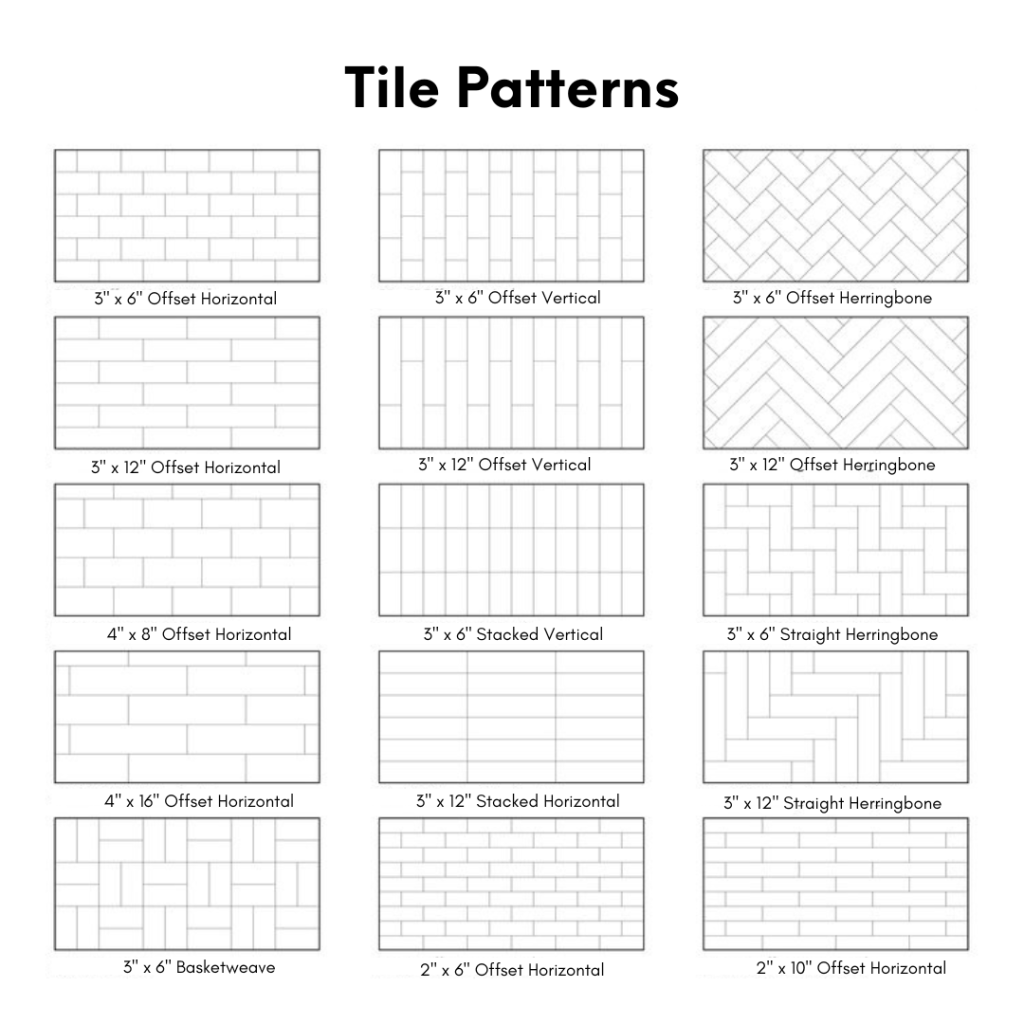
The way tile is laid can significantly impact the overall look and feel of a space. Here are some popular tile layout patterns:
- Straight Set: A classic and simple pattern where tiles are laid in straight rows, either horizontally or vertically.
- Offset: Also known as a staggered pattern, tiles are offset by half their width, creating a more dynamic and visually interesting look.
- Herringbone: This pattern involves laying tiles in a V-shape, creating a zigzag effect. It’s a popular choice for floors and backsplashes.
- Basketweave: Similar to herringbone, this pattern uses rectangular tiles arranged in a woven pattern.
- Diagonal: Tiles are laid diagonally, creating a dramatic and modern look.
- Mosaic: Small tiles are arranged in intricate patterns to create stunning designs.
The best pattern for your space will depend on the style of your home, the size of the area, and your personal preferences. Consulting with a professional tile installer can help you choose the right pattern for your project.
What considerations are taken into account when setting prices?
Several factors influence the cost of a tile installation project:
- Tile Material and Size: The type of tile you choose, whether it’s ceramic, porcelain, natural stone, or glass, will impact the overall cost. Larger tiles may require less labor but can be more expensive per tile.
- Tile Pattern and Layout: Complex patterns, such as herringbone or mosaic, require more time and skill, which can increase the cost.
- Square Footage: The size of the area to be tiled will directly affect the total cost.
- Demolition and Preparation: If existing tile or other materials need to be removed, the cost of demolition and preparation will be added to the total.
- Installation Complexity: Factors like the number of cuts, intricate designs, and the need for special installation techniques can influence the labor cost.
- Labor Costs: The experience and skill level of the tile installer will affect the hourly rate.
- Additional Materials and Services: Costs for grout, sealant, and other materials, as well as additional services like waterproofing or custom fabrication, can contribute to the overall price.
To get an accurate estimate for your specific project, it’s best to consult with a professional tile installer. They can assess your project’s unique requirements and provide a detailed quote.
Where are the best places to buy tile?
When selecting tile, consider both your budget and desired aesthetic. Here are some popular options:
Budget-Friendly Options:
- Big-Box Stores: Lowe’s, Home Depot, The Tile Shop and Floor & Decor offer a wide range of affordable tile options, making them convenient choices for many homeowners.
- Tile Showrooms: Local tile showrooms, such as Daltile, provide a great opportunity to view samples in person and consult with experts.
High-End and Unique Options:
- Online Retailers: Online retailers like TileBar, Tile Club, Fire Clay Tile, Zia Tile, Cle Tile, and Bedrosian offer a vast selection of high-quality, unique tiles, including handmade and artisanal options. If time is on your side, you can order product samples and browse their online catalogs and detailed product information to help make informed decisions.
Ultimately, the best place to buy tile depends on your specific needs and preferences. Consider factors such as budget, style, and the level of customization you desire.
What materials do tiles come in?
The best tile material for your project depends on your specific needs and preferences. Here are some popular options:
- Ceramic Tile: A versatile and affordable option, ceramic tile is available in a wide range of colors, patterns, and finishes. It’s suitable for both walls and floors, but may not be as durable as porcelain tile.
- Porcelain Tile: More durable and water-resistant than ceramic tile, porcelain is an excellent choice for high-traffic areas like kitchens and bathrooms. It can mimic the look of natural stone, wood, or other materials.
- Natural Stone Tile: Natural stone tiles, such as marble, granite, and slate, offer a luxurious and timeless look. However, they can be more expensive and require more maintenance than ceramic or porcelain tile.
- Glass Tile: Glass tiles are a popular choice for backsplashes and accent walls due to their vibrant colors and reflective surface. They are easy to clean but can be more fragile than other tile types.
- Metal Tile: Metal tiles, such as stainless steel and copper, offer a modern and industrial look. They are durable and easy to clean, but can be more expensive than other options.
When choosing a tile material, consider factors such as durability, water resistance, maintenance requirements, and aesthetic appeal. Consulting with a professional tile installer can help you select the best material for your specific project.
Please describe the waterproofing process.
At Brighton Tile, we prioritize a meticulous approach to waterproofing to ensure the longevity and beauty of your tile installation. Here’s a breakdown of our process:
- Substrate Preparation: We meticulously prepare the surface, ensuring it’s clean, dry, and ready for the next step.
- Waterproofing Membrane Installation: We install a high-quality, industry-standard waterproofing membrane, such as a Schluter Kerdi membrane, over the substrate. This creates a robust barrier against water infiltration.
- Tile Installation: Once the membrane is securely in place, we proceed with the tile installation, using premium tile adhesive and grout.
By following these steps and adhering to industry best practices, we deliver tile installations that are not only beautiful but also durable and watertight.
How are the edges of a project finished? What is a “Schluter” edge?
Tile edging is essential to create a clean and polished finish. Here are some common options:
Tile Edging: Some tile manufacturers offer matching edge pieces, often referred to as “pencil rails.” These can be a great option for a cohesive look.
Schluter Edging: A popular choice, Schluter edging offers a variety of profiles and finishes to complement your tile design. It’s durable, water-resistant, and provides a seamless transition between your tile and surrounding surfaces.
What should we consider when designing a niche?
When designing a niche, consider these key factors:
Prefabricated Niches:
- Cost-Effective: Prefabricated niches are a budget-friendly option, often pre-designed for easy installation.
- Quick Installation: These niches are typically designed to fit standard wall stud spacing, making for a faster installation process.
- Limited Customization: While prefabricated niches offer convenience, they may have limitations in terms of size and design.
Prefabricated Niches can be found here.
Custom Niches:
- Design Flexibility: Custom niches allow for complete creative freedom, tailoring the size, shape, and features to your specific needs.
- Increased Cost and Time: Custom niches may require additional labor and materials, leading to higher costs and longer installation times.
Additional Considerations:
- Niche Size: Consider the size of your niche based on the products you plan to store.
- Niche Depth: Ensure the niche is deep enough to accommodate your desired items.
- Niche Shelf: Adding a shelf within the niche can provide additional storage space.
- Niche Lighting: Incorporating lighting can enhance the look and functionality of your niche.
Ultimately, the best niche design for your space will depend on your budget, preferences, and the specific needs of your bathroom. By carefully considering these factors, you can create a beautiful and functional niche that complements your overall bathroom design.
 Brighton Tile L.L.C.